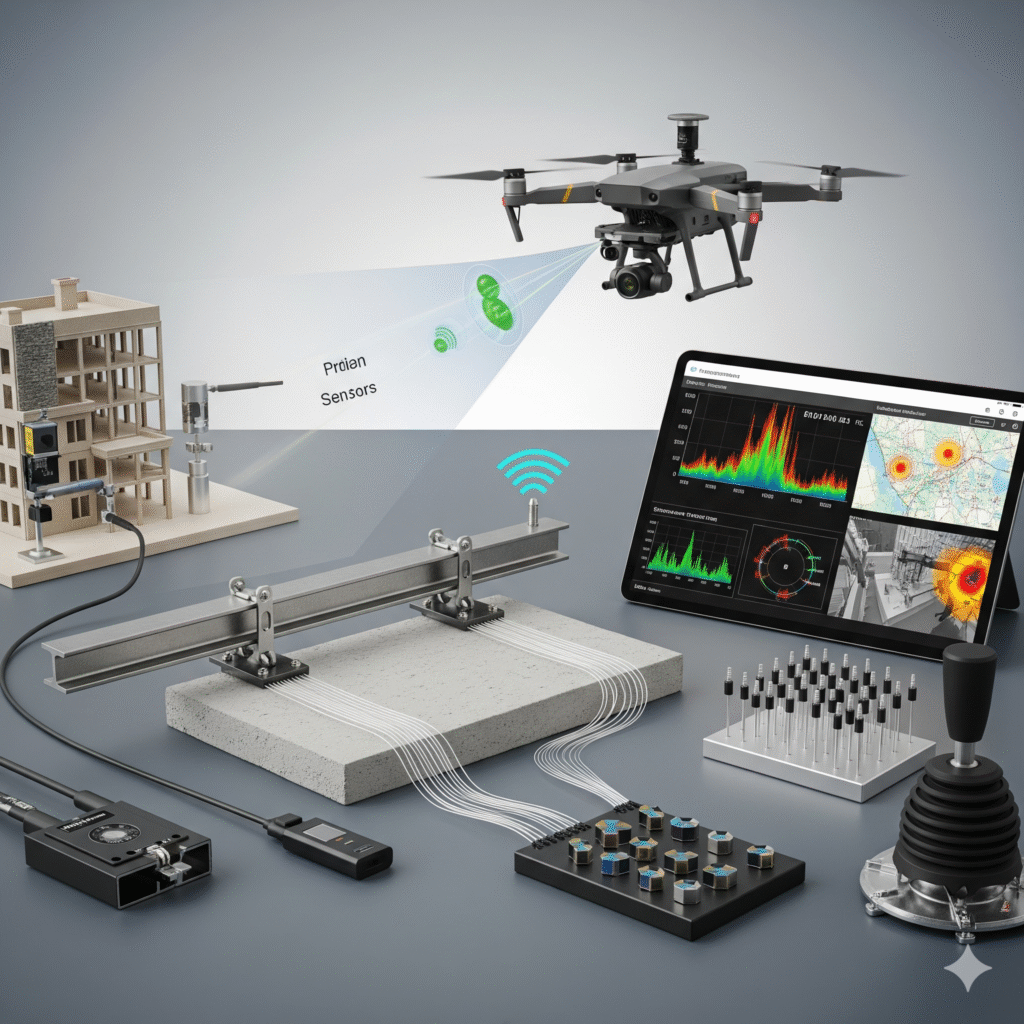

Seismic and Vibration Monitoring Stations
Precision sensing for structural safety and dynamic environmental risk assessment
Overview
Seismic and vibration monitoring stations are critical for identifying, measuring, and analyzing ground and structural movement caused by natural or man-made forces. From detecting microtremors in seismic zones to monitoring construction-related vibrations near sensitive infrastructure, these systems offer crucial real-time data for structural engineers, city planners, disaster response teams, and industrial operators.
By capturing parameters like ground acceleration, velocity, displacement, and frequency spectra, these systems provide actionable insights to mitigate risk, assess damage, and ensure long-term resilience. Their application extends across geotechnical engineering, infrastructure health monitoring, and regulatory compliance efforts in both urban and remote settings.
Enviro Structural Monitoring supports clients across North America with customizable, high-performance seismic and vibration solutions. We help B2B clients navigate seismic risks and industrial impacts through quality-driven technology, comprehensive system integration, and expert support—backed by our reputation for reliability, innovation, and customer-centric service.
Instruments and Systems You Can Trust
In addition to offering products and systems developed by our team and trusted partners for Seismic and Vibration Monitoring Stations, we are proud to carry top-tier technologies from Global Advanced Operations Tek Inc. (GAO Tek Inc.) and Global Advanced Operations RFID Inc. (GAO RFID Inc.). These reliable, high-quality products and systems enhance our ability to deliver comprehensive technologies, integrations, and services you can trust. Where relevant, we have provided direct links to select products and systems from GAO Tek Inc. and GAO RFID Inc.
Core Components
Hardware

Broadband and Short-Period Seismometers
High-sensitivity sensors for accurate seismic detection across multiple frequency ranges

Triaxial Accelerometers
Capture three-dimensional ground motion with precision

Geophones and Geotechnical Vibration Probes
Monitor surface and subsurface motion

Data Acquisition Units (DAQs)
Robust, low-noise logging hardware with real-time signal processing
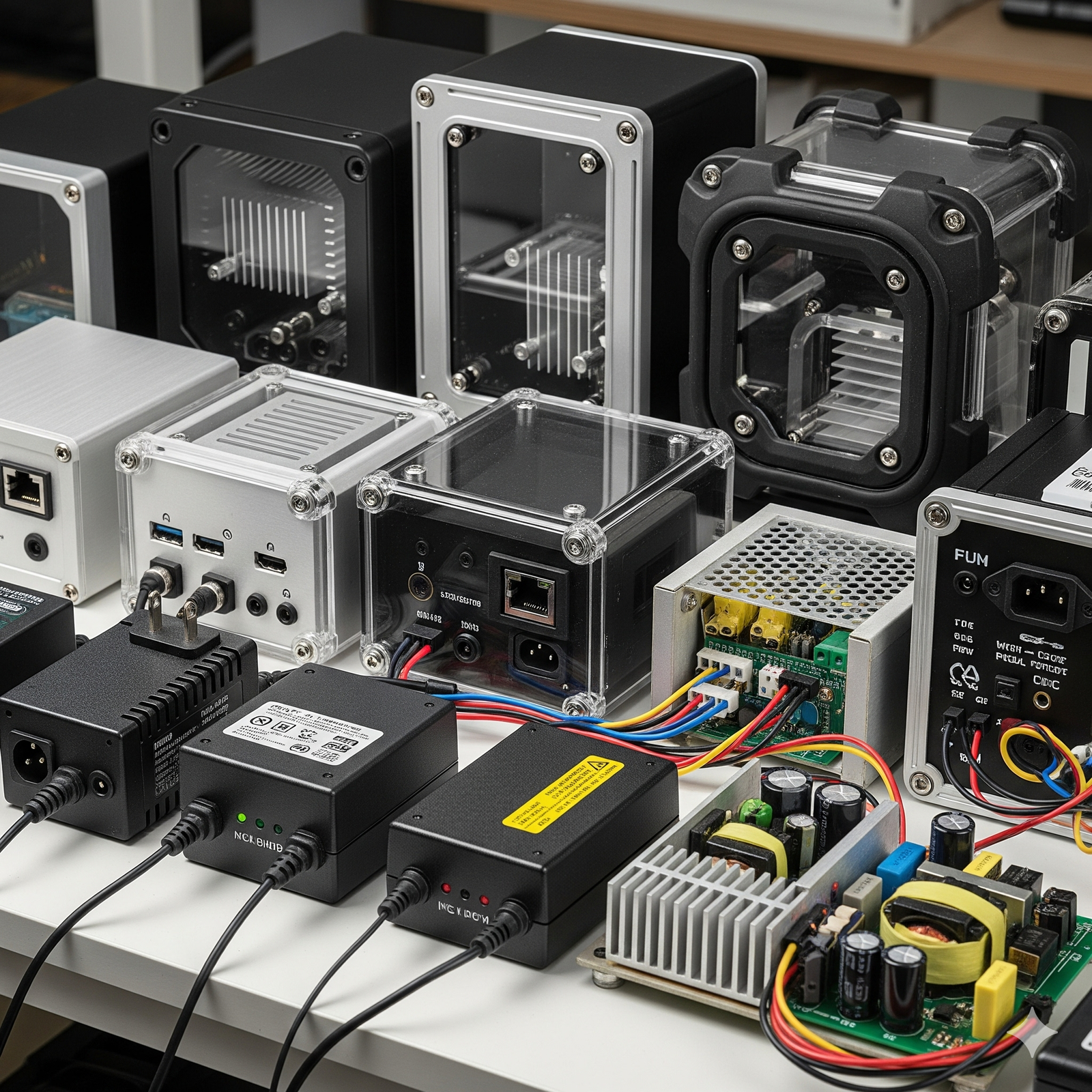
GNSS Synchronization Modules
Time-synchronized data capture across networks
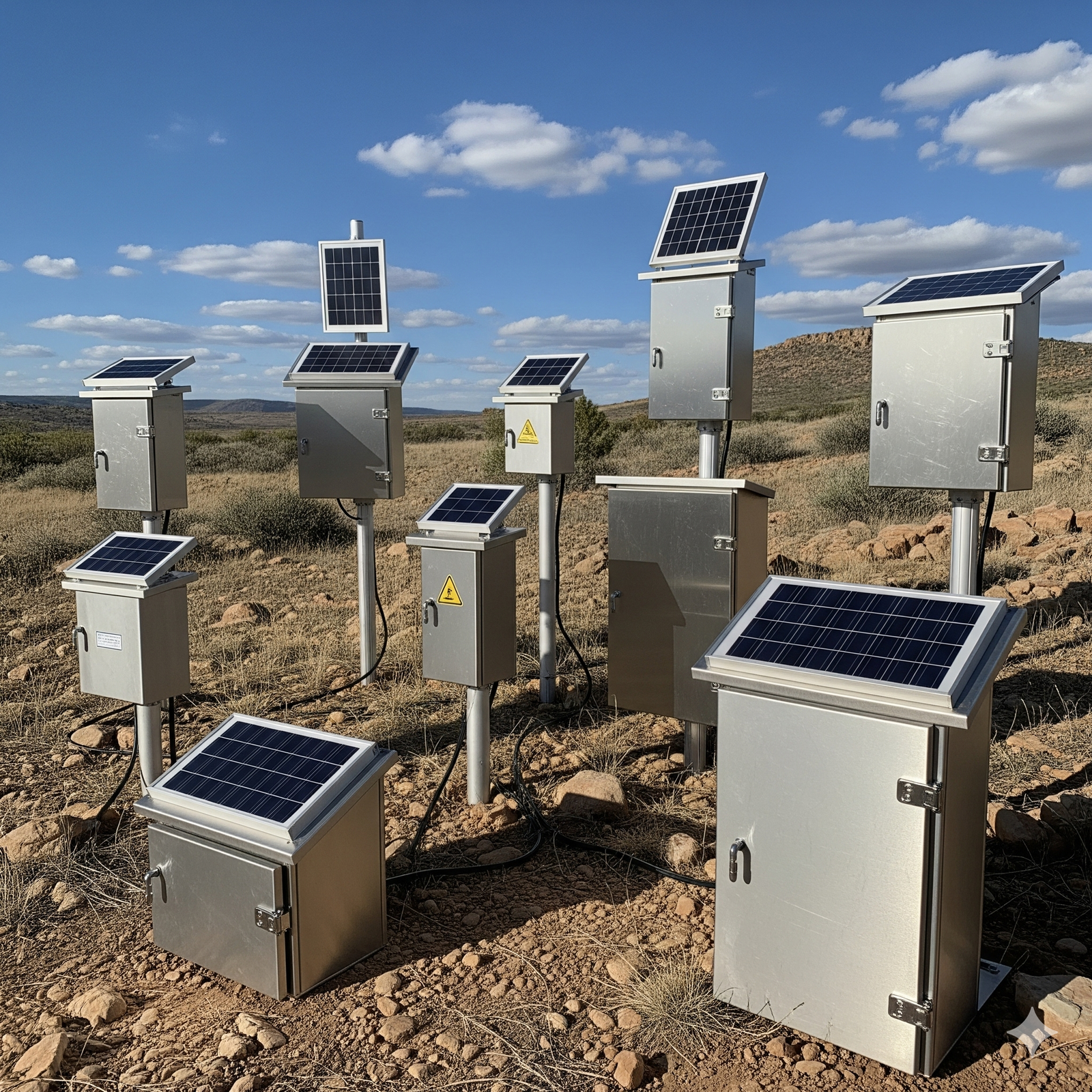
Solar-Powered and Weather-Resistant Enclosures
Ruggedized field-ready deployment options
Software

Seismic Analysis Platforms
Evaluate waveform data, spectral densities, and frequency response

Event Detection & Notification Systems
Real-time triggers for earthquakes, blasts, and anomalies
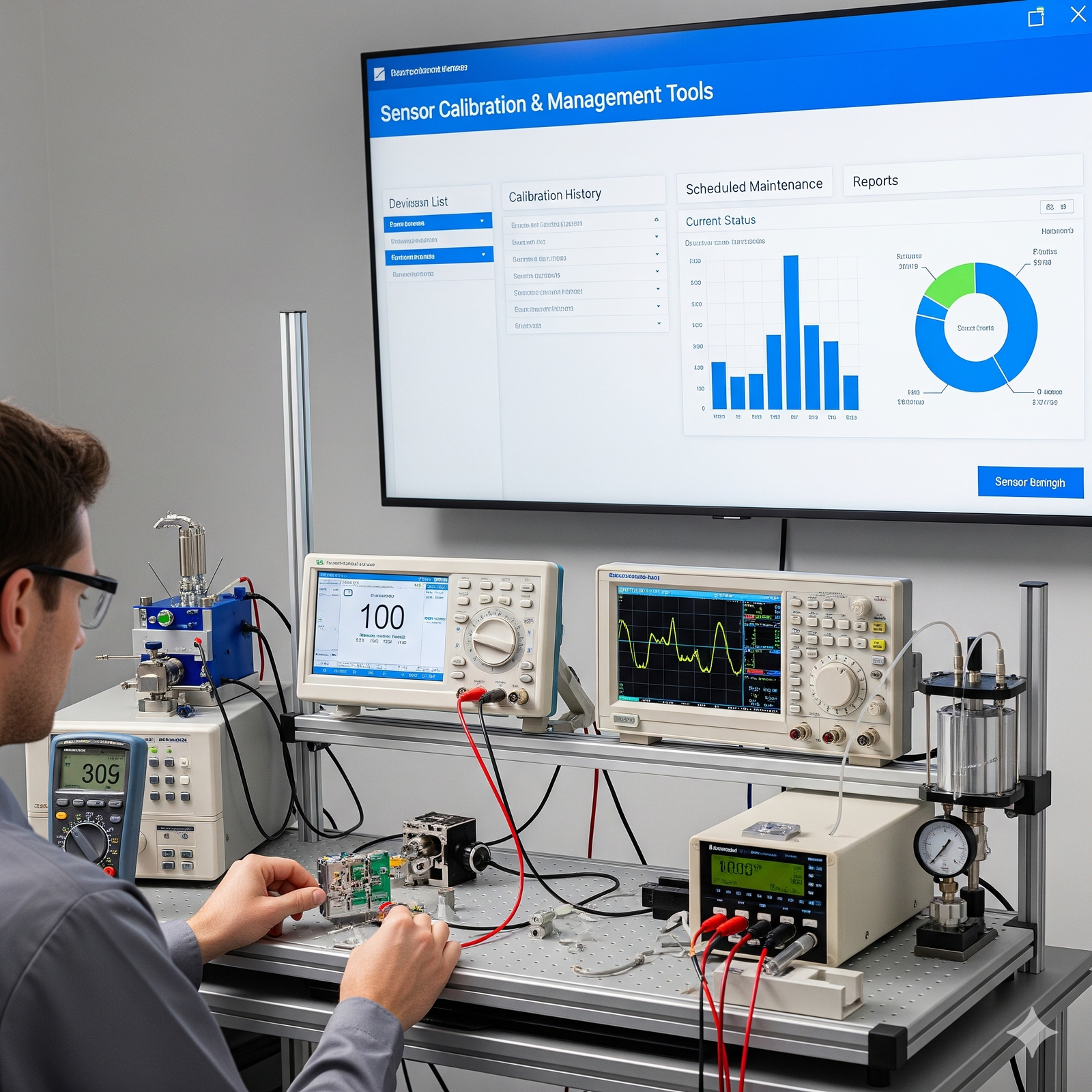
Historical Trend & Risk Profiling Tools
Analyze site activity patterns for long-term mitigation

Cloud Services

Remote Monitoring Dashboards
Real-time data visualization, historical playback, and mobile access

Automated Reporting Systems
Generate compliance-grade reports for regulators or stakeholders

API & Integration Frameworks
Easily connect with SCADA, BMS, and third-party analysis tools

Key Features and Functionalities
Ultra-sensitive seismic and vibration sensing with configurable thresholds
Multi-sensor synchronization for large-scale and distributed deployments
Wireless transmission options (LTE, LoRaWAN, Wi-Fi, satellite uplink)
AI-assisted event detection with false-positive suppression
Scalable design for permanent, semi-permanent, or temporary installations
Real-time alerts via SMS, email, and integration platforms
Auto-redundancy and failover for uninterrupted critical monitoring
Integrations and Compatibility
SCADA and Industrial Automation Systems
Smart Building and Infrastructure Health Monitoring Platforms
Emergency Response Networks and Disaster Early Warning Systems
Geotechnical and Structural Engineering Analysis Suites
Smart Cities and Urban Planning Platforms
Benefits
Minimize damage and risk through real-time structural movement detection
Ensure regulatory compliance with vibration limits during construction or blasting
Improve disaster preparedness and response in seismic-prone regions
Reduce liability and protect critical infrastructure
Enable remote or autonomous monitoring in hard-to-reach locations
Correlate seismic data with structural health monitoring for holistic insight
Save costs through preventive alerts and trend analysis
Applications
Monitoring critical infrastructure such as bridges, tunnels, and dams
Seismic activity detection in fault-prone geographic zones
Construction and demolition site compliance
Oil & gas drilling operations and fracking sites
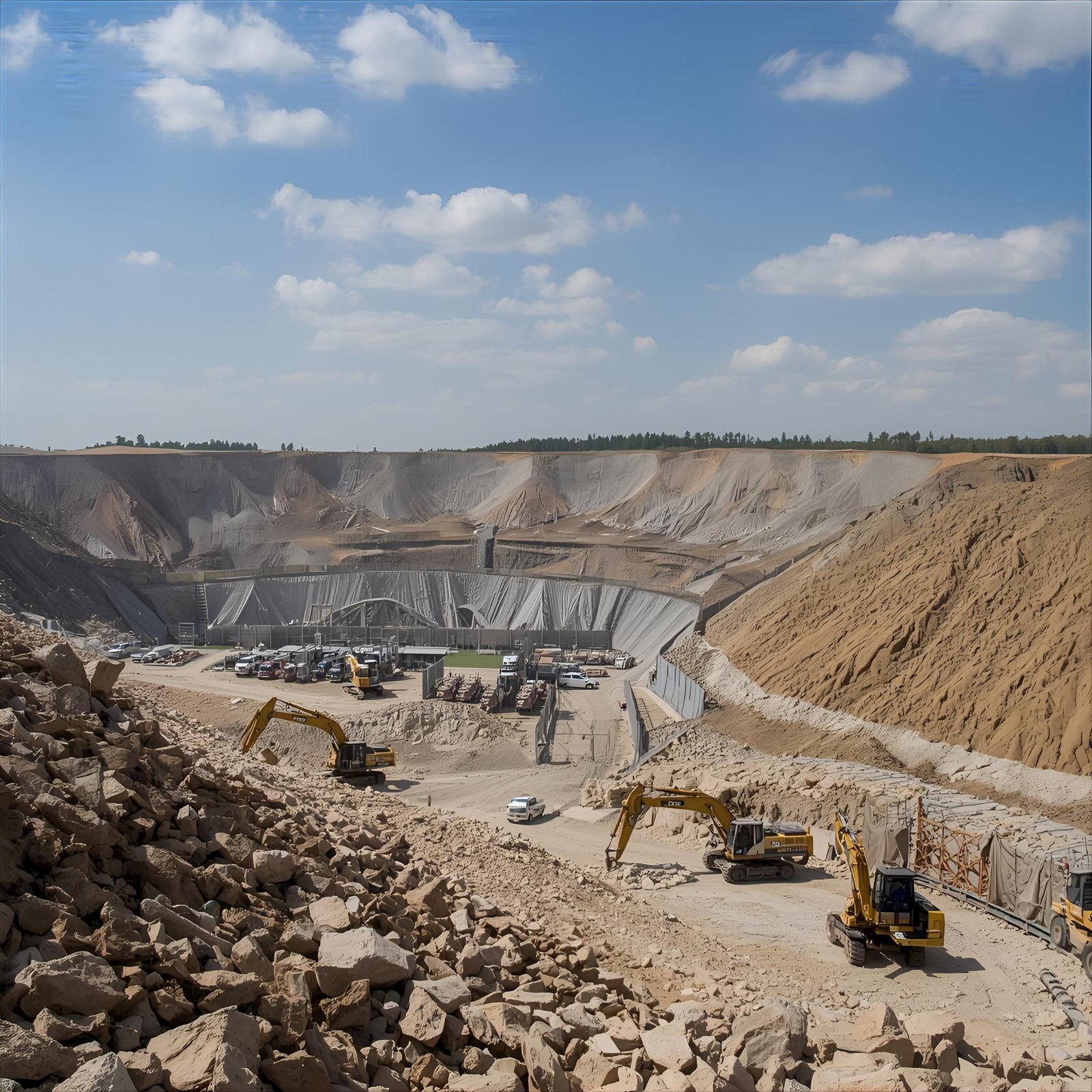
Mining and quarry vibration monitoring
Urban rail, metro, and subway systems
Nuclear and energy facility safety management
Industries We Serve

Civil Infrastructure & Engineering

Environmental & Geotechnical Consulting

Oil & Gas
Mining & Natural Resources

Transportation & Rail Systems

Smart Cities & Infrastructure Planning

Government & Emergency Management

Relevant U.S. & Canadian Standards and Regulations
U.S. Geological Survey (USGS) Standards
ANSI S2.47 – Measurement of Vibration and Shock
ASTM D7338 – Monitoring Vibration of Structures
Canadian Standards Association (CSA S832) – Seismic Risk Reduction of Operational Equipment
Case Studies

U.S. West Coast Transportation Corridor
In a high-risk seismic zone in California, a transportation authority deployed a series of seismic monitoring stations along a major rail corridor. Using triaxial accelerometers and broadband seismometers, the system enabled early detection of microseismic activity, informing safety decisions and minimizing service disruptions. Data integration with SCADA platforms provided real-time alerts during earthquakes and allowed for predictive maintenance scheduling.

U.S. Midwestern Power Plant Vibration Control
A power generation company in the Midwest installed vibration monitoring stations around its steam turbine systems to detect excessive ground vibration and structural resonance. By incorporating automated alerting and compliance-grade reporting, the facility achieved higher uptime, better maintenance response, and full regulatory compliance for vibration thresholds during peak operations.
Seismic Monitoring in Western Canada
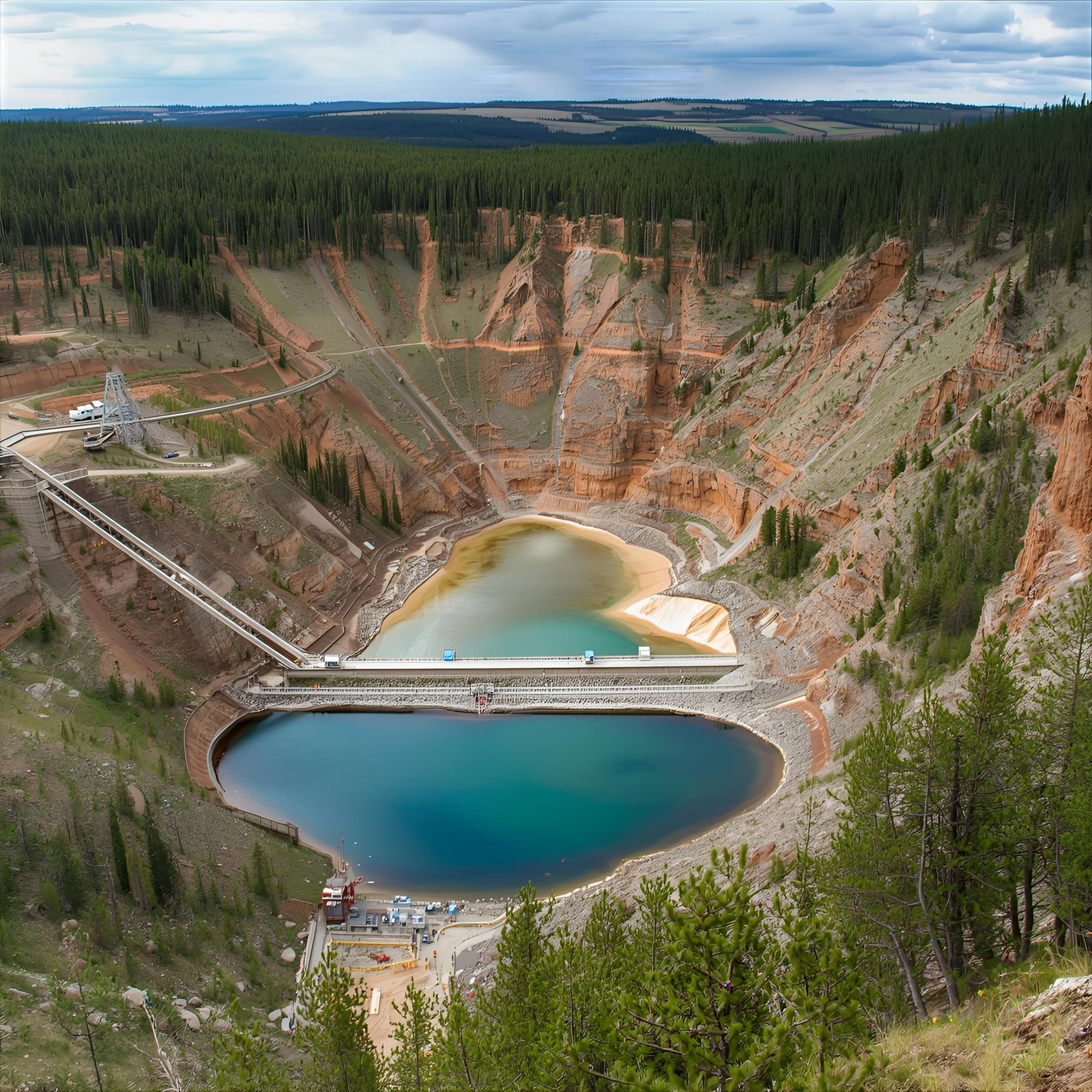
A municipal agency in British Columbia required a scalable solution for earthquake preparedness in a suburban zone near a known fault line. Enviro Structural Monitoring implemented a network of solar-powered seismic monitoring units with wireless communication and cloud-based dashboards. The system delivered early warnings and supported real-time data exchange with regional emergency response services, improving resilience across multiple public buildings and transportation infrastructure nodes.

Ready to deploy seismic and vibration monitoring solutions tailored to your infrastructure or regulatory needs?
Contact Enviro Structural Monitoring today for expert consultation, customized system design, and end-to-end B2B support. We’re here to help you monitor what matters—accurately, reliably, and intelligently.