AI-Driven Dashboards for Smarter Structural Health Monitoring

Leverage intelligent dashboards to gain real-time insights and predictive analytics for infrastructure safety and resilience.

Overview

AI-Powered Structural Health Dashboards are transforming the way infrastructure integrity is monitored, analyzed, and maintained. These intelligent platforms consolidate sensor data, detect anomalies, and forecast potential failures using advanced machine learning algorithms. By visualizing critical information in real-time, they empower engineers, asset managers, and decision-makers to act swiftly, reduce maintenance costs, and prevent structural failures.

This technology plays a pivotal role in proactive asset management and safety assurance for bridges, tunnels, buildings, and industrial facilities. For B2B companies across North America, including public and private infrastructure operators, these dashboards represent a leap toward digitized infrastructure monitoring. Enviro Structural Monitoring, through its expertise and partnerships, supports businesses with reliable, AI-enhanced dashboard systems tailored for diverse environments and performance needs.

AI-driven dashboards display various data visualizations for structural health monitoring, including vibration graphs, a 3D model of a bridge with stress indicators, and sensor data pie charts, all set against a dark background.

AI-Powered Structural Health Dashboards

In addition to offering products and systems developed by our team and trusted partners for AI-Powered Structural Health Dashboards, we are proud to carry top-tier technologies from Global Advanced Operations Tek Inc. (GAO Tek Inc.) and Global Advanced Operations RFID Inc. (GAO RFID Inc.). These reliable, high-quality products and systems enhance our ability to deliver comprehensive technologies, integrations, and services you can trust. Where relevant, we have provided direct links to select products and systems from GAO Tek Inc. and GAO RFID Inc.

Core Components

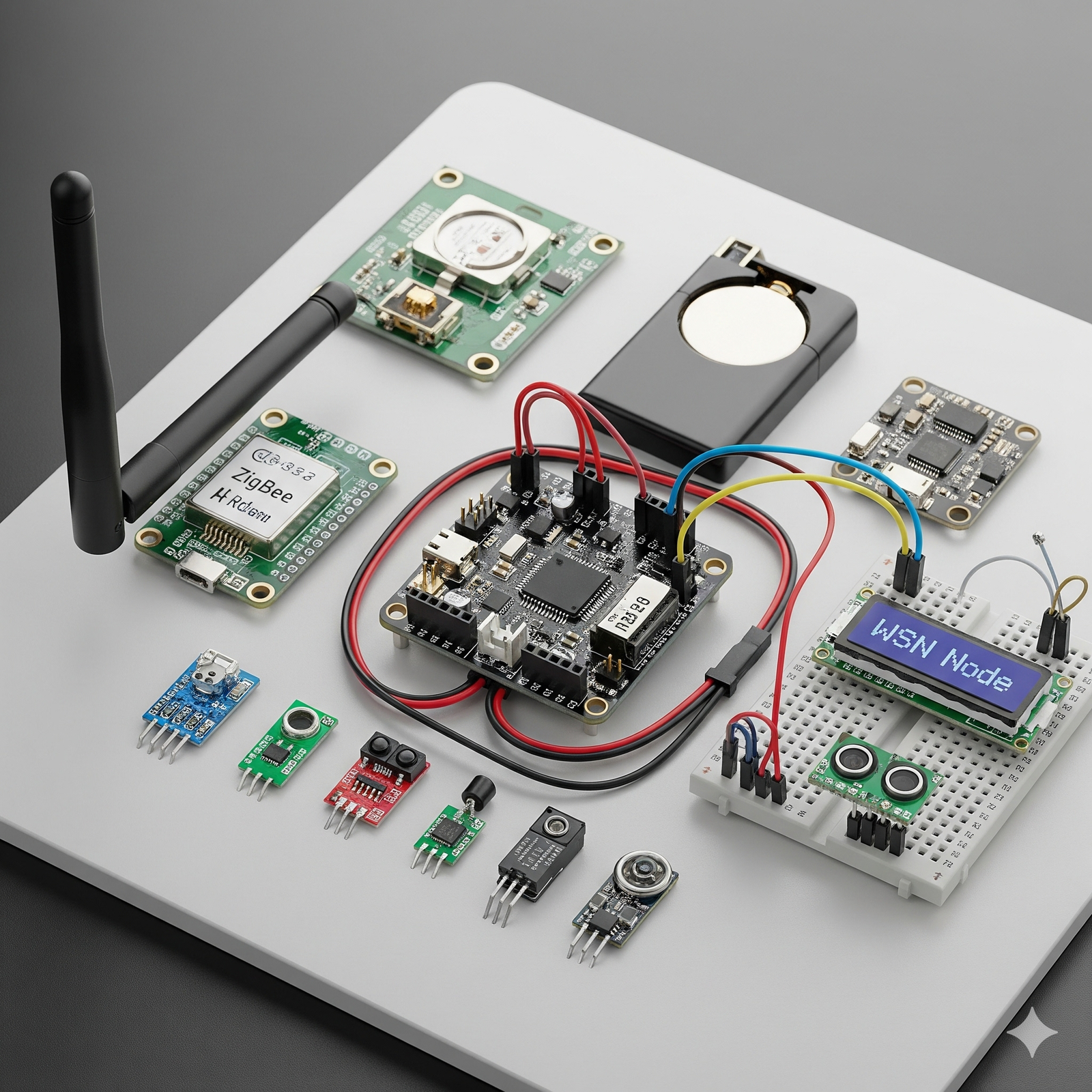
A collection of electronic components is neatly arranged on a light gray surface, including a central microcontroller with connected wires, a small breadboard with a display reading "WSN Node," various sensors in different colors, and modules like a Zigbee and a GPS unit.

Hardware

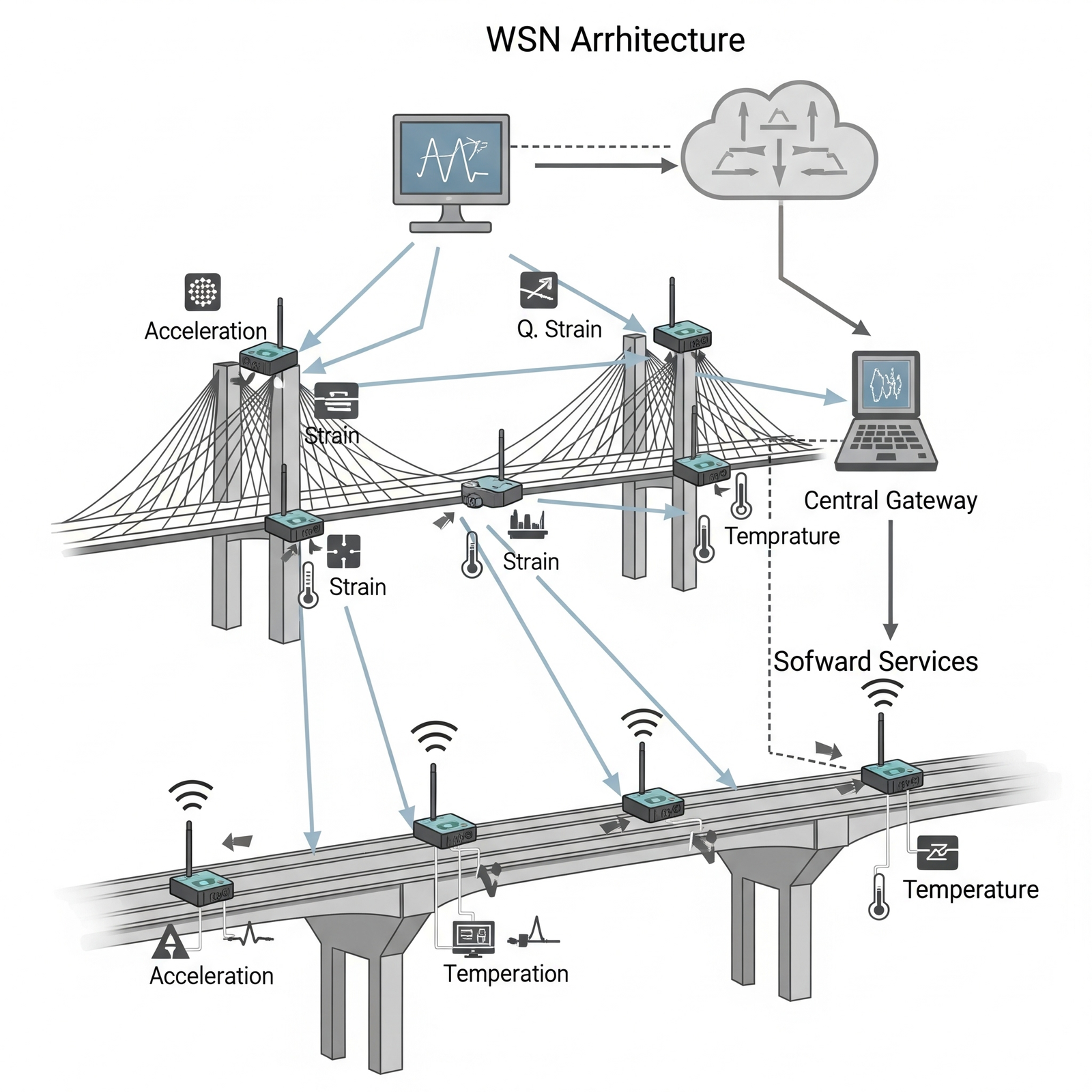
High-precision sensors (strain gauges, accelerometers, tiltmeters) Wireless data loggers and gateways On-site edge processors with AI modules IoT-enabled sensor nodes compatible with AI learning models

A person sits at a desk in a dimly lit office, wearing headphones and working on a computer displaying colorful data visualizations and charts. A white mug and tablet are nearby, with shelves of documents in the background.

Software

AI analytics engines with anomaly detection Customizable dashboards with live charts and alerts Predictive modeling tools and failure forecast modules User role management, audit logs, and access controls

API Integration

Cloud Services

Secure data storage with end-to-end encryption Real-time data streaming and API access Cloud-hosted machine learning models Auto-scaling backend to handle large infrastructure networks
Key Features and Functionalities

Key features checklist

Real-Time Data Visualization

See live sensor values and health status of key infrastructure components.

Key features checklist

AI-Driven Alerts

Receive smart notifications based on learned behavior and thresholds.

Key features checklist

Predictive Maintenance

Forecast failures using machine learning patterns and trend analysis.

Key features checklist

Data Fusion

Combine environmental, structural, and load data for holistic assessments.

Key features checklist

Custom Dashboard Layouts

Configure views by asset type, location, or user role.

Integrations and Compatibility

Seamless integration with IoT networks (LoRaWAN, Zigbee, 4G LTE)

Compatible with Building Management Systems (BMS) and GIS platforms

RESTful APIs for custom enterprise system integrations

Supports both GAO RFID and GAO Tek hardware ecosystems

Benefits

Increases asset lifespan through data-informed interventions

Minimizes manual inspections and associated labor costs

Reduces risk of catastrophic failures through early warnings

Enables compliance with infrastructure safety standards

Enhances decision-making using historical and real-time analytics

Applications

Applications

Bridge and tunnel structural monitoring

Applications

High-rise buildings and commercial complexes

Applications

Industrial plants and critical facility surveillance

Applications

Railways, airports, and transportation hubs

Applications

Dams, levees, and water infrastructure

Industries We Serve

Civil & Structural Engineering

Civil and Structural Engineering

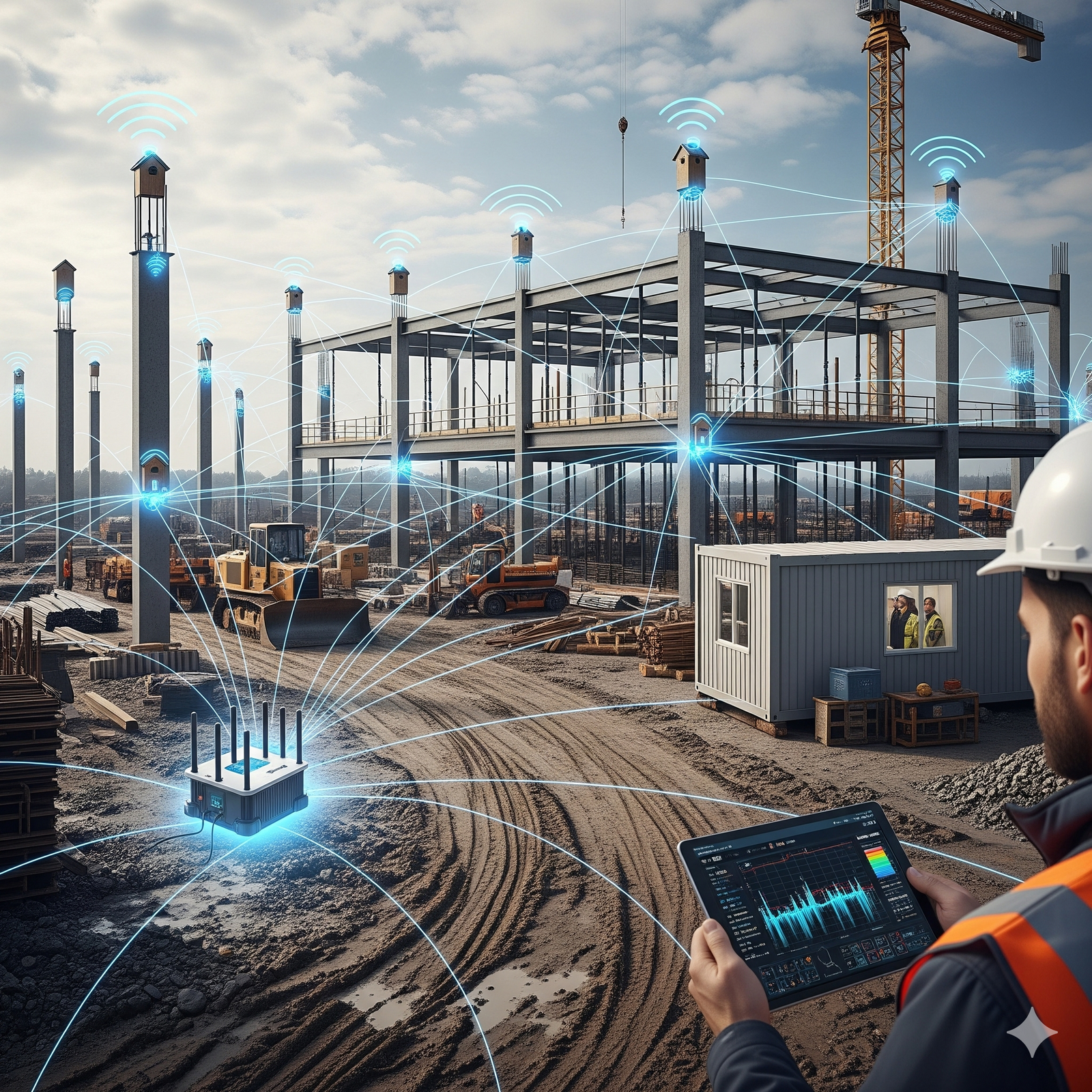
A construction site with a partially built steel structure is equipped with digital sensors emitting blue signals. A worker in a hard hat and orange vest holds a tablet displaying data, while construction vehicles and materials are scattered around. A portable office is visible in the background.

Transportation and Logistics

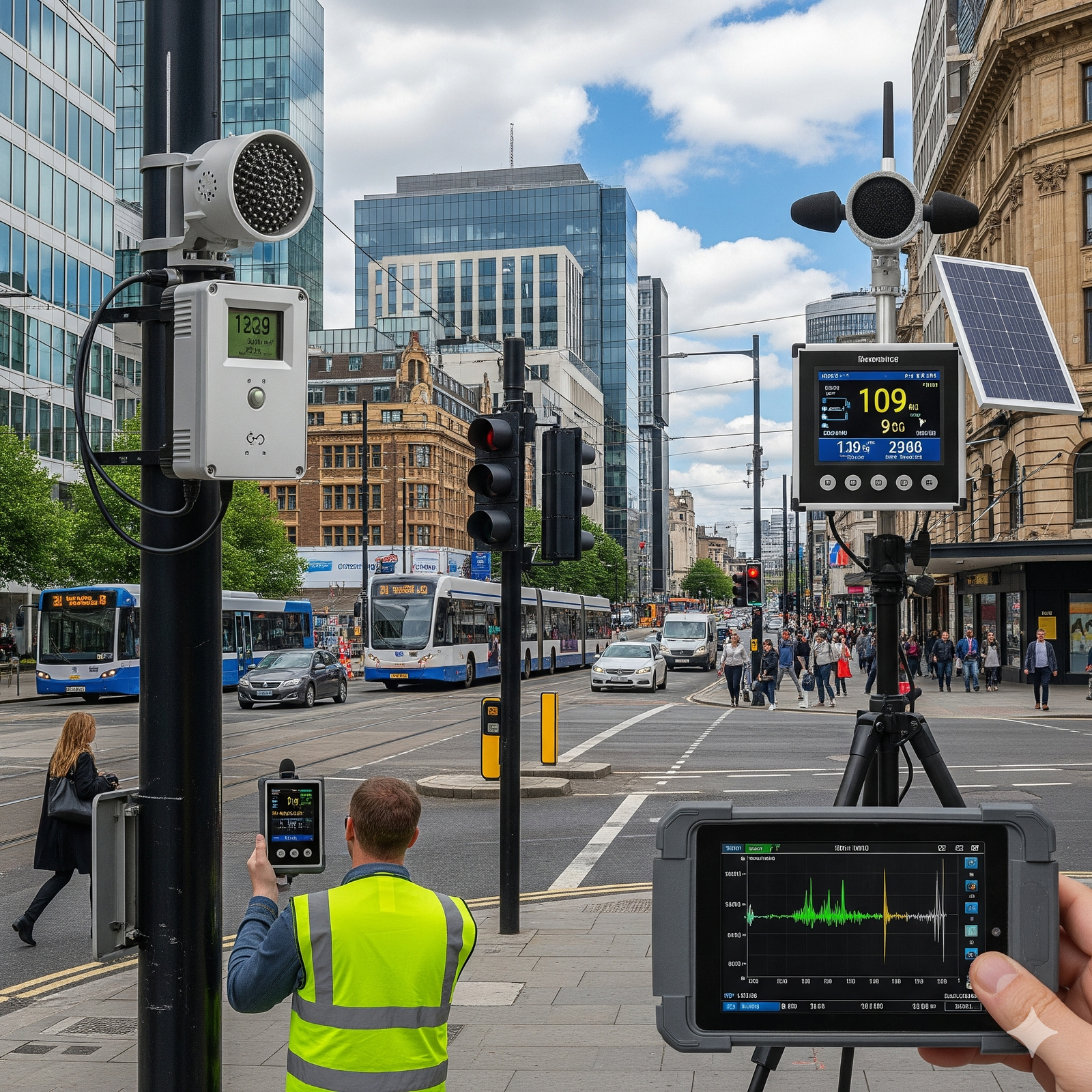
A person in a high-visibility vest operates a handheld device on a busy urban street, monitoring sound levels displayed on a screen. Nearby, a tripod supports another device with a digital readout, while buses and pedestrians move along the bustling cityscape surrounded by tall buildings.

Public Infrastructure Management

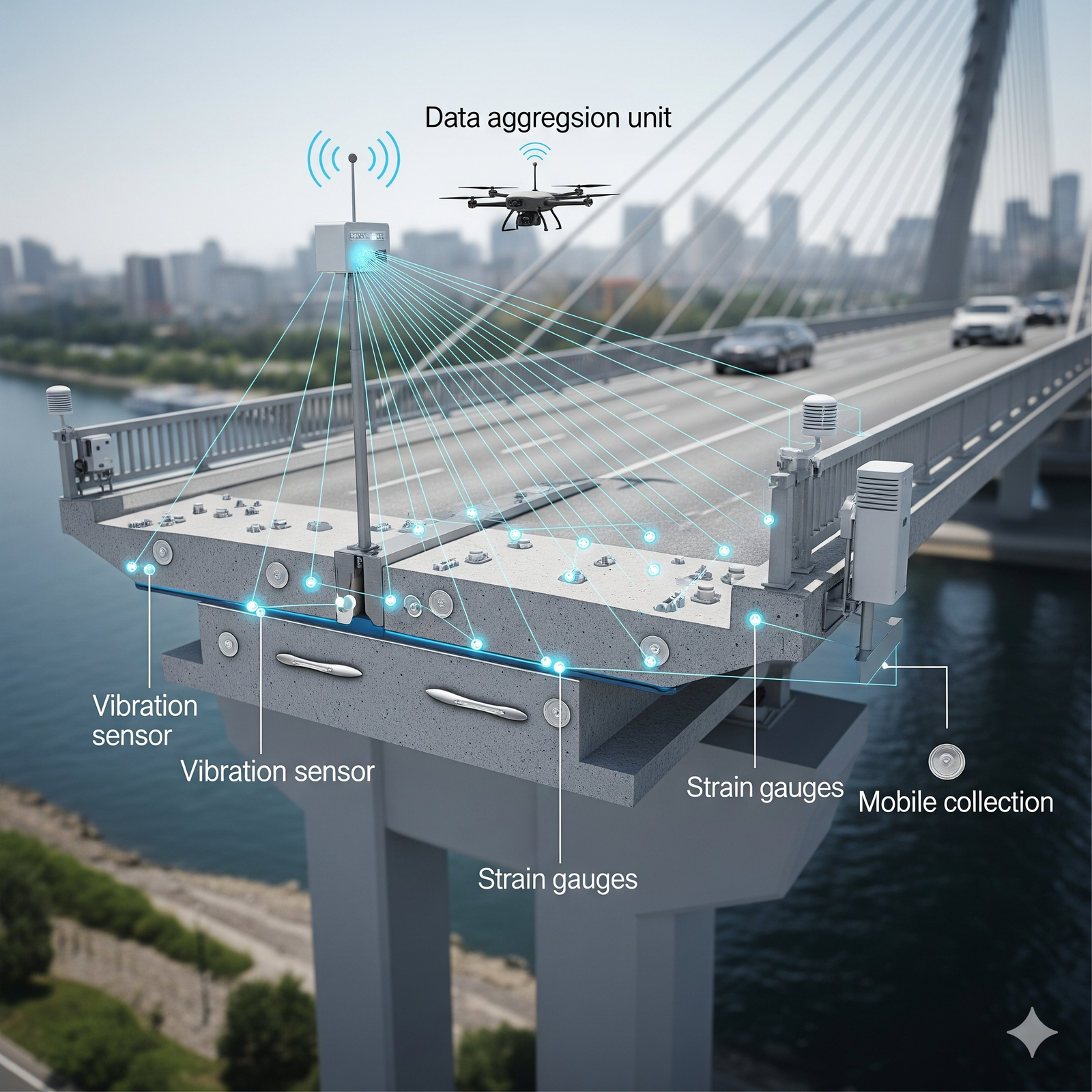
A bridge with various sensors, including vibration sensors and strain gauges, is shown with a data aggregation unit transmitting information to a hovering drone. The bridge spans over a body of water, with vehicles traveling across it, illustrating a smart infrastructure monitoring system.

Smart Cities and Urban Planning

A futuristic oil refinery at dusk, featuring interconnected digital devices with glowing screens and Wi-Fi signals. Large storage tanks and pipelines are visible, with two control buildings displaying digital maps and data. Flames burn atop tall stacks in the background, illuminating the industrial setting.

Energy and Utilities

Relevant U.S. & Canadian Industry Standards

ASCE 7-22 (American Society of Civil Engineers)

FHWA Bridge Inspection Standards (U.S. DOT)

IEEE 1451 (Smart Sensor Communication Standards)

CSA S6 (Canadian Highway Bridge Design Code)

Case Studies

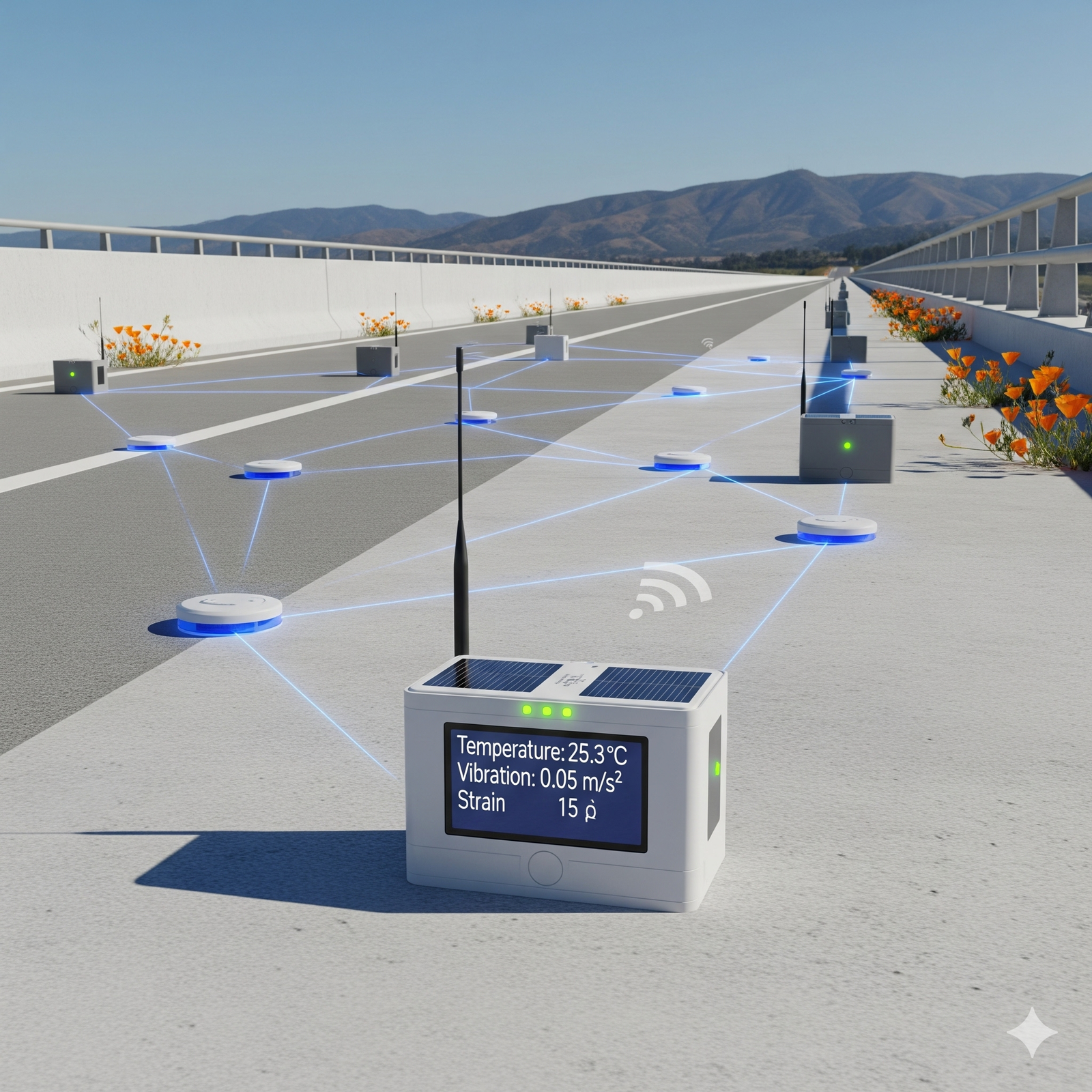
A network of small, solar-powered sensors is spread across a bridge, connected by blue lines. One sensor in the foreground displays temperature, vibration, and strain data. Bright orange flowers line the bridge, with mountains visible in the background.

Smart City Bridge Health Initiative, Ohio:

A regional transportation authority in Ohio integrated AI-powered dashboards across 10 highway bridges. The system detected microcracks and pre-fatigue vibrations, prompting early repairs and reducing unplanned closures by 40%.
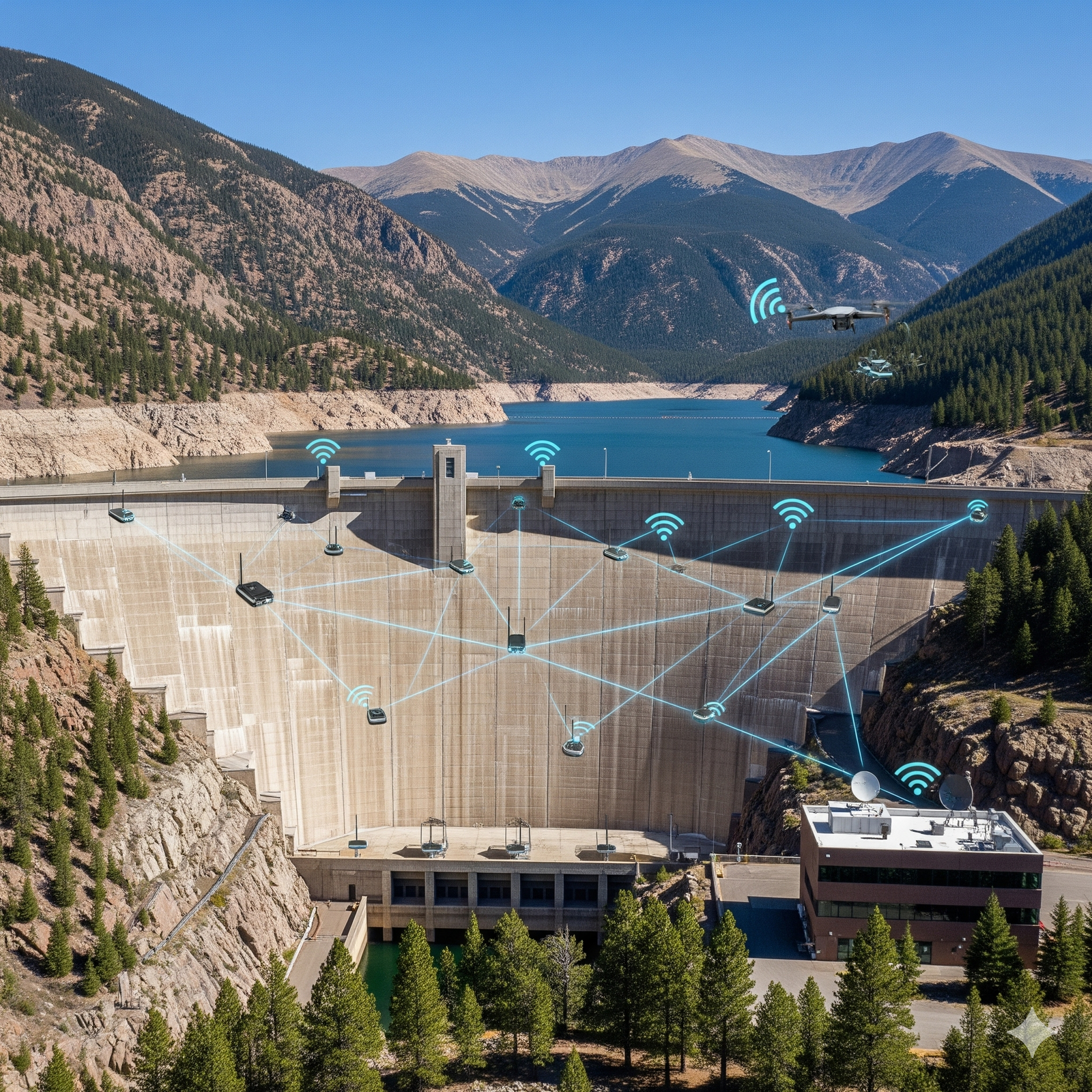
A large dam surrounded by mountains and a reservoir, with digital networks and wireless signals depicted. A drone and vehicles suggest advanced technology integration.

Earthquake Resilience Monitoring, California:

Following seismic risk assessments, a California-based commercial building retrofit included AI-enabled dashboards that interpreted accelerometer data in real-time, issuing automatic safety status updates during two separate tremors.

Structural Health Upgrade for Metro Stations, Ontario:

A major transit agency in Ontario deployed AI-powered dashboards across four metro stations. Integration with GAO Tek sensors allowed predictive alerts on support beam stress accumulation, leading to proactive reinforcement efforts and minimized passenger disruption.

Looking to implement intelligent dashboards for your infrastructure projects?

Enviro Structural Monitoring is ready to help.
Visit our Contact Us page to speak with our team about pricing, custom solutions, and integration support.

An illustartion representing environment
Scroll to Top